







Search Results for: Tolima Region
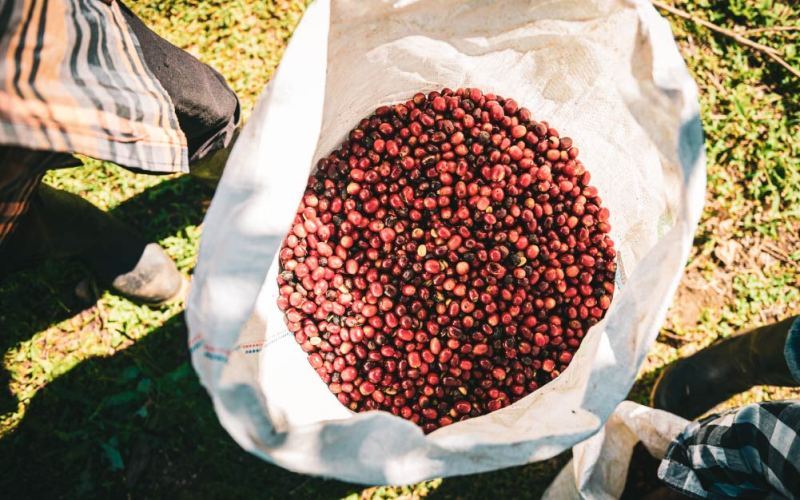
Overview of Colombian Specialty Coffee Regions: Terroir and Flavor from Huila to Tolima
Colombia, with the high altitudes, volcanic soils, and diverse microclimates of the Andes, has become the world's third-largest coffee-producing country. Among the country's 15 province-based growing regions, Huila is the most famous, while Tolima has risen to become the third-largest producing region. This article will review the geographical advantages of Colombian coffee, focusing on the terroir characteristics of Huila and Tolima, and also mention Front Street Coffee's everyday drinking bean series. [more…]

Colombia Tolima Region Montreal Estate: The Specialty Coffee Journey from COE Sixth Place to Champion
Colombia, as the world's third-largest coffee producer, owes its countless high-quality coffees to the high altitudes, volcanic soils, and diverse climates of the Andes. Among its regions, Tolima is the country's third-largest producing area, contributing 12% of the annual coffee output. It is here that Finca Montreal is located. Although its owner, Duberney Cifuentes Fajardo, is a third-generation coffee producer, he has already won the Cup of Excellence (COE). This article will guide you through the full picture of Colombia's coffee regions and take a deep dive into Finca Montreal's varieties, terroir, and competition journey. Front Street Coffee has also prepared relevant recommendations for you. [more…]
Colombian Geisha Coffee Flavor Analysis: A Complete Record of Cultivation at San Pedro Estate, Washed Processing, and Roasting & Brewing
Geisha has always been a top-tier name in the specialty coffee world, with Panama Geisha enjoying the most dazzling halo, but Colombia Geisha is equally not to be underestimated. This article takes you into Finca San Pedro in the Tolima region of Colombia to learn about this Geisha's terroir, washed processing flow, green bean information, and roasting curve, along with cupping and brewing records. From floral and citrus notes to a black tea finish, see how this Colombian Geisha recommended by Front Street Coffee showcases soft and elegant sweet-acidity layers with a lingering sweet aftertaste. [more…]
How to brew Tolima Monteverde Estate coffee beans? Wushwush natural flavor and pour-over iced pour-over parameters explained
Located in Colombia's Tolima region, Finca Monteverde presents a complex flavor profile of cinnamon, white florals, green grapes, tangerines, pomegranate, and dried cranberries through a custom natural-process batch of the Wushwush variety, finishing with a black tea aftertaste. The estate sits at 1,850 meters above sea level and is run by the Gutierrez family, whose cultivation history dates back seventy years. Today, they still insist on meticulous harvesting and temperature- and time-controlled fermentation throughout, allowing the coffee cherries to dry slowly on raised beds for up to 25 days. This article introduces the terroir background and variety story of Finca Monteverde, and includes Front Street Coffee's reference recipes for pour-over and Japanese-style iced pour-over, helping coffee enthusiasts recreate this bean's fruity character and clean texture at home. [more…]
Recommended Specialty Coffee Brands from Colombia: Flavor Characteristics and Buying Guide for Huila and Other Core Producing Regions
Colombian coffee is one of the few single-origin coffees known worldwide by its country name, and its overall quality is highly praised. Its producing regions are mostly located in the Andes Mountains, with a mild and humid climate, dominated by Arabica varieties, and traditional deep roasting brings a strong and nostalgic flavor. Specialty beans are mainly concentrated in the southern areas above 1,500 meters in altitude, including the provinces of Huila, Cauca, Nariño, and Tolima. The coffee produced in these places often has delicate acidity, berry and caramel notes, and a prominent sweetness. Almost every year, the top ten in Colombia's coffee competitions come from the three major producing regions of Huila, Narino, and Tolima, and are mainly produced through the meticulous cultivation of small farmers. This article will focus on Front Street Coffee's Colombian coffee, highlighting the terroir and microclimate of the Huila producing region, and sorting out its brand and flavor highlights. [more…]
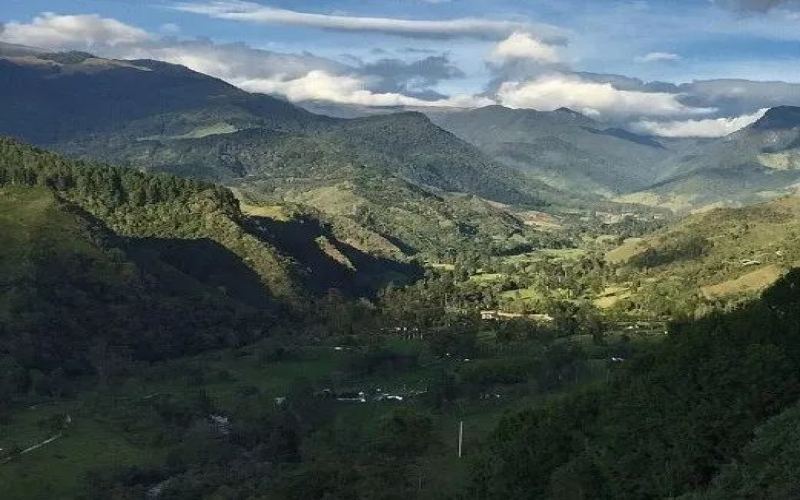
Distribution and Flavor Characteristics of Colombian Coffee Regions: An Analysis of Andean Micro-Lots and the Case of Zacatin
South America contributes over half of the world's coffee production, with Brazil and Colombia ranking as the world's first and third largest producers respectively. Unlike Brazil's large-scale plantation model, Colombia, due to its complex mountainous terrain and diverse microclimates, is dominated by small coffee estates. The best-selling Sidra, Rose Valley, and Flower Moon on Front Street Coffee's bean list come from locally renowned estates. Colombian coffee is mainly distributed in the central and western Andes mountain range, with 15 production regions divided by province nationwide. Cauca, Santander, Antioquia, Narino, Tolima, and Huila are the main forces. Huila's Finca La Divisa, Tolima's Finca La Roca, and Cauca's Finca La Esperanza are widely known, while Antioquia, though famous for its high yield, also has family businesses like Finca Zacatin that produce high-quality coffee. [more…]
Tracing the Origins of Colombian Coffee Regions and Bean Variety History: Front Street Selected Lots from Tolima to Cauca
Colombia is one of the few single-origin coffee-producing countries that markets itself globally under its national name, and its coffee is known for its balanced, smooth mouthfeel and consistent quality. This article traces the cultivation history and regional context of Colombian coffee, and provides a detailed introduction to several Colombian lots offered by Front Street Coffee, including La Minita "Model Student," smallholder lots from Tolima, Red Bourbon, Red Typica, and Geisha from Finca San Alejo, as well as Huila Bolívar, showcasing the flavor differences brought about by different regions, varieties, and processing methods. [more…]
An Analysis of Colombia's Coffee Growing Regions and Harvest Seasons: A Comprehensive Introduction to Varieties, Flavors, and Processing Methods
Colombia is the world's third-largest coffee exporter and the largest exporter of Arabica beans and washed beans, hailed as "green gold." This article systematically reviews Colombia's coffee-growing regions, harvest season patterns, main varieties and processing methods, and introduces representative regions one by one, including Santander, Antioquia, Tolima, Huila, Cauca, and Nariño. Colombian coffee is known for its silky, balanced taste, with family-run operations and volcanic soil giving it a unique quality. The article also covers the functions of the FNC and CENICAFE, green bean grading standards, and competition mechanisms such as the Cup of Excellence in Cauca, making it suitable for coffee enthusiasts to gain a comprehensive understanding of Colombian coffee's terroir and the industry as a whole. [more…]
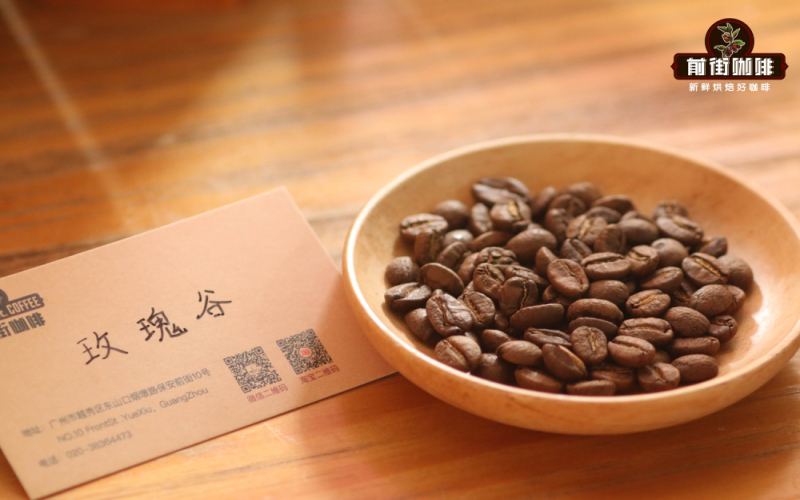
Colombian Coffee Producing Regions Flavor Analysis and Front Street Coffee Pour-Over Parameters & Brewing Steps
Colombian coffee is one of the few single-origin coffees named after a country, and its balanced, smooth taste is inseparable from its superior growing conditions. This article systematically reviews the distribution and flavor characteristics of Colombia's main specialty coffee regions, including Santander, Antioquia, Tolima, Huila, Cauca, and Narino, and also introduces the FNC National Federation of Coffee Growers of Colombia and the coffee grading system. It also provides Front Street Coffee's brewing parameters and pour-over steps, as well as detailed flavor descriptions of three beans—Rose Valley, Flower Moon Night, and Cherry Blossom—to help coffee lovers gain a comprehensive understanding of the charm of Colombian coffee. [more…]
Colombian Coffee Flavor Characteristics and Brewing Guide: A Taste Analysis of Huila, Cauca, and Other Regions
Colombian coffee is one of the few specialty coffees marketed worldwide under a country's name. Its acidity, bitterness, and sweetness are balanced and harmonious, with a rich, full-bodied aroma, making it highly favored by coffee enthusiasts. This article systematically reviews the history of Colombian coffee cultivation, the flavor characteristics of major specialty-producing regions (Huila, Cauca, Santander, Antioquia, Tolima, and Nariño), and includes information on several Colombian beans recommended by Front Street Coffee along with V60 three-pour brewing parameters. Whether you are a beginner just getting into pour-over or a seasoned connoisseur looking for an everyday staple bean, you will find practical references here. [more…]
The Authentic Flavor and Health Value of Colombian Coffee Regions and an Analysis of Front Street Coffee's Everyday Bean Brewing
In recent years, new processing methods have emerged endlessly in the specialty coffee scene. Colombian beans often steal the spotlight with winey fermented notes or floral aromatics, but the original flavor profile of the producing regions gets overshadowed instead. This article returns to the specialty producing regions of southern Colombia to sort out the terroir differences of Huila, Cauca, Nariño, and Tolima, the characteristics of the Caturra variety, and the significance of washed processing for flavor purity. It also includes the roasting curve, cupping performance, and V60 brewing parameters of Front Street Coffee's Huila everyday beans, helping coffee lovers understand the basic taste of a producing region in the most affordable way. [more…]
A Complete Guide to Colombian Coffee Bean Grades and Regional Flavors: From MAM to Huila
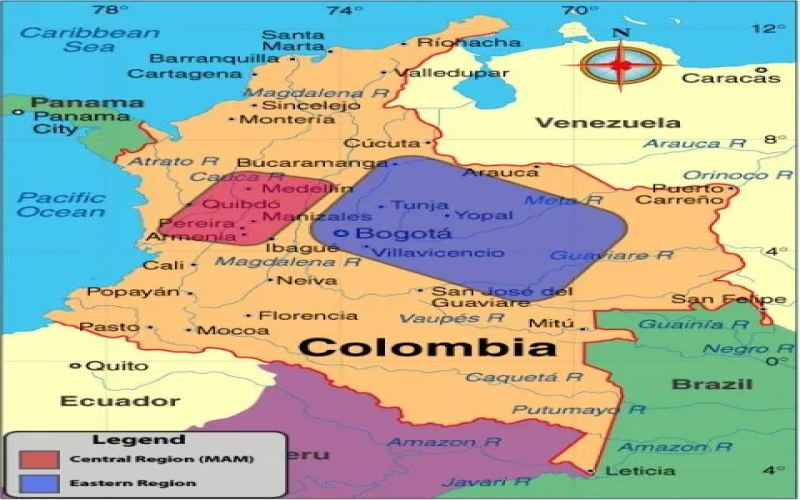
Colombia is the world's second-largest producer of Arabica coffee, and its coffee is deeply associated with chocolate notes. This article begins with the history of cultivation, tracing the commercialization process and the establishment of the export logistics system, then analyzes the three major commercial production regions behind the MAM mark commonly seen in supermarkets, as well as the terroir characteristics of southern specialty regions such as Antioquia, Boyacá, Cauca, Huila, Narino, Santander, and Tolima. The article focuses in particular on the Huila region, explaining its journey to becoming a certified region of origin, and shares Front Street Coffee's brewing recipe for Colombian Huila coffee beans, including dripper selection, water temperature, coffee-to-water ratio, and a three-stage pouring technique. [more…]
An In-Depth Analysis of the Flavor Code and Pour-Over Techniques of Colombia Huila Decaf Coffee
In recent years, Colombian coffee has frequently made a name for itself through various innovative processing methods, but behind these dazzling rising stars, the authentic flavors of traditional producing regions are equally worth exploring in depth. In this article, Front Street Coffee takes you into the specialty producing regions of southern Colombia—Huila, Cauca, Nariño, and Tolima—to discover the balanced acidity and full body woven from low latitude, high altitude, and volcanic soil. The article also introduces in detail the Huila washed everyday beans selected by Front Street Coffee, from the characteristics of the Caturra variety and the washed processing technique to roast curve design and V60 pour-over parameters, fully presenting the entire journey of a cup of classic Colombian flavor from origin to cup. [more…]
Colombia Coffee's Regional Distribution and Flavor Characteristics: A Specialty Journey from Huila to Cauca
Colombia, as the world's second-largest coffee producer, may not match Brazil in output, but it enjoys a stellar reputation for growing high-quality washed Arabica almost everywhere in the country. Its coffee is known for soft sweetness, balanced acidity, and a hint of cocoa, gifts of nature from low latitudes, high altitudes, volcanic soil, and ample rainfall. Colombia's specialty production areas are concentrated in the south, represented by Huila, Cauca, Nariño, and Tolima, each showing unique fruit acidity, sweetness, and aroma. Front Street Coffee selects beans such as Huila, Flower Moon Night, and Rose Valley, presenting the diversity of Colombian coffee through washed or special processing methods. This article will guide you through the charm of Colombian coffee, from production region divisions and variety characteristics to brewing suggestions. [more…]
A Complete Guide to Colombia's Specialty Coffee Regions: Terroir and Variety Secrets from Huila to Cauca
Colombia, as the world's second-largest coffee producer, may not match Brazil in output, but it is renowned worldwide for the excellent quality of its washed Arabica. Its coffee is mild and sweet, with cocoa notes when processed well. This article will systematically review Colombia's six major specialty regions—Medellín, Huila, Cauca, Nariño, Tolima, and Santander—and provide an in-depth analysis of each region's altitude, climate, soil characteristics, and flavor performance. It will also introduce major varieties such as Caturra, Bourbon, and Castillo, as well as processing methods including washed, natural, and honey. The article will also mention representative Colombian coffees from the Front Street Coffee brand, such as Colombia Huila, Flower Moon Night, and Rose Valley, and include brewing parameters and suggestions, offering coffee lovers a complete guide to Colombia's coffee terroir. [more…]
A Complete Analysis of Colombian Coffee Regions, Flavors, and Varieties: From Huila and Cauca to Front Street Brewing Methods
Colombia, with its diverse landscapes of low latitude and high altitude, has become an important producing country for specialty coffee. This article systematically reviews the characteristics of the country's main cultivated varieties such as Caturra, Castillo, Pink Bourbon, and Geisha, explains in detail the terroir differences of southern specialty regions such as Huila, Cauca, Nariño, and Tolima, and introduces how processing methods such as washed, semi-washed, anaerobic natural, and anaerobic enzyme-washed shape flavor. The seven Colombian beans offered by Front Street Coffee include Rose Valley, Flower Moon Night, and everyday beans, and the article also provides roasting curves, cupping performance, and V60 three-pour brewing parameters, offering coffee enthusiasts a complete reference from understanding producing regions to practical brewing. [more…]
A Panoramic Guide to Colombia's Coffee Regions: Flavor Codes and Variety Characteristics from Huila to Nariño
As the world's second-largest Arabica coffee producer, Colombia—with the volcanic soils and diverse microclimates of the Andes Mountains—nurtures a balanced, mellow coffee flavor. This article systematically reviews the history of Colombian coffee cultivation, its geographical advantages, and its main producing regions—Cauca, Tolima, Huila, Nariño, Caldas, and Santander—analyzing the characteristics and flavor differences of each region, and also provides a detailed introduction to the Huila washed beans selected by Front Street Coffee along with brewing recommendations, offering coffee lovers a complete guide to Colombian coffee. [more…]
A Complete Analysis of Colombian Coffee Flavor and Mouthfeel: From Regional Terroir to a Full Guide on Caturra and Castillo Varieties
Colombia is one of the few origins in the world sold as a single-origin coffee under its country name, and together with Brazil it ranks among the world's top three coffee exporters, accounting for about 15% of global production. Unlike Brazil, which relies on technology-driven cultivation, Colombia owes its clear, rich, fruit-and-acidity-laced coffees to the volcanic soils, abundant rainfall and diverse terrain of the Andes. This article systematically reviews Colombia's major producing regions—from Bucaramanga in the north to Santander, Huila, Cauca and Nariño in the south—explains the flavor differences among them, introduces the diverse varieties such as Typica, Caturra and Castillo, and includes the brewing parameters and flavor descriptions for several Front Street Coffee Colombian beans, helping coffee lovers gain a comprehensive understanding of the appeal of this South American origin. [more…]
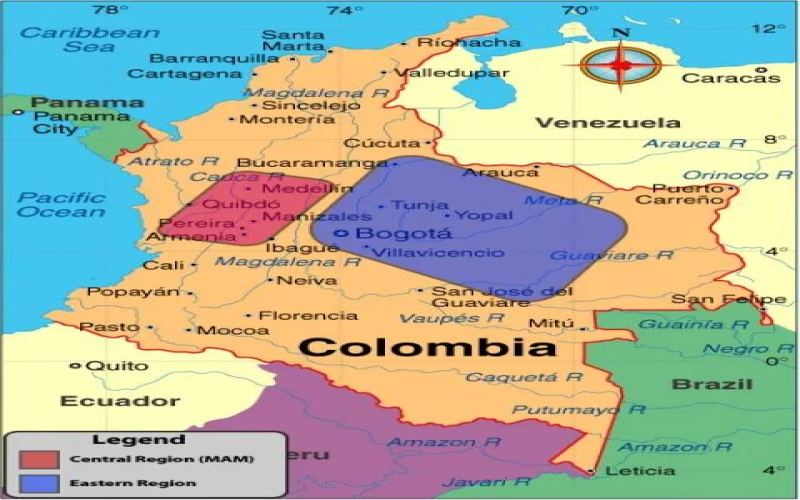
Colombia coffee | What does MAM refer to in Colombian coffee origins? What flavor and mouthfeel characteristics do Colombian specialty coffees have?
Colombia is the world's second-largest producer of Arabica coffee beans after Brazil. Everyone is familiar with the chocolatey flavor that characterizes Colombian coffee beans. We also all know that coffee originated in Ethiopia—so if no one had brought coffee seeds or coffee saplings to Colombia, how could this [more…]
Central American Coffee Beans | Which regions in Colombia produce specialty coffee? What does the MAM designation mean? What are the flavor characteristics of washed beans from the Huila region?
Colombia is the world's second-largest producer of Arabica coffee beans after Brazil. Everyone is well acquainted with the chocolate-like flavor characteristic of Colombian coffee beans. Everyone also knows that coffee originated in Ethiopia—so if no one had brought coffee seeds or coffee saplings to Colombia, how could this [more…]